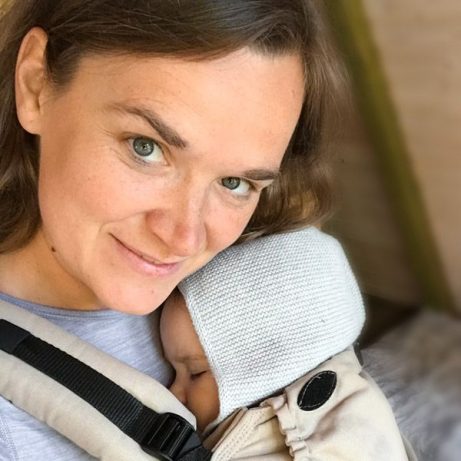
Dive into the water with Kaylee Kennedy in this supportive, eye-opening LiveTalk focused on helping babies and toddlers feel safe, confident, and connected in aquatic settings.
With over 15 years of experience and thousands of lessons taught, Kaylee brings her calm, child-centered approach to teaching water readiness at home. This session explores:
- Building Breath Control from the Start: Learn how to introduce breathwork with your baby in a way that supports calm, natural submersion and long-term safety.
- Gentle Submersion Techniques: Discover step-by-step routines that promote trust and confidence—starting from just a few weeks old.
- Understanding Water Safety & Trauma: From accidental submersion to signs of distress and recovery, Kaylee shares how to keep your child safe while fostering positive emotional experiences around water.
- Supporting Independence in the Water: Learn how to help your child float, move confidently, and enjoy the water without relying on flotation devices.
Whether you’re preparing for swim lessons or simply exploring water play at home, this conversation is filled with practical tips, research-backed insights, and real-life Q&A from parents like you.
In this video
Kaylee Kennedy teaches water readiness at home, for parents who want their baby or toddler calm and safe around water. The talk starts with breath control and first short dips underwater, and what to watch for in your child's mouth and nose. There's a part on telling swallowing from inhaling water, and on spotting real distress. Questions include goggles, a long break from swimming, and getting back in after a scary experience in the water.
Chapters
- 0:00 Welcome and Kaylee Kennedy's gentle way of teaching swimming
- 6:11 Why breath control comes first and how to watch for it
- 10:31 The take a breath cue and the lift cue with a cup
- 16:14 First short dips underwater and why floaties hold kids back
- 21:52 Mouth breathing after a dip and how the tongue blocks water
- 26:34 Practicing in sets of three while watching mouth and nose
- 33:02 Swallowing versus inhaling water, and small accidental dips
- 37:58 Spotting distress or panic and reacting calmly
- 45:18 Q&A: toddlers versus older kids, goggles and a long break
- 50:55 Q&A: pool safety rules, fences, CPR and skipping floaties
- 55:18 Q&A: after a scary water experience, and how often to swim