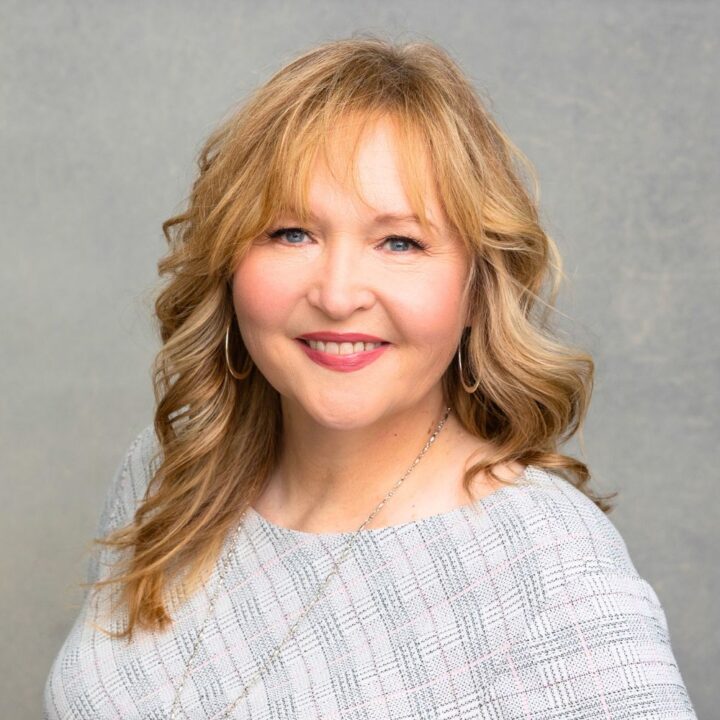
Join Dr. Susan Zoll, literacy expert and Montessori educator, as she shares strategies for assessing and supporting children’s literacy development within both Montessori and traditional education settings. With years of experience as a literacy coach, teacher trainer, and author, Susan offers practical tools to help you understand how to track progress and ensure children are moving forward in their learning.
In this session, you’ll discover:
-
How to use observations and record-keeping to assess literacy development
-
The importance of vocabulary and language comprehension, alongside decoding skills
-
Practical tools like personalized literacy plans, checklists, and learning environments to support language growth
Susan also emphasizes the value of building reading and vocabulary skills from an early age, using Montessori materials and methods to support children’s natural development.
In this video
Dr Susan Zoll looks at how to tell whether a child's reading and language are coming along, for parents and for the teachers who track it. The talk covers watching each child's letter sounds, keeping notes and planning the next step. It starts with babies hearing language before birth, and with vocabulary and sounding out words as the two sides of reading. It ends with reading the same book together many times, and what makes a home or classroom reading-friendly.
Chapters
- 0:00 Free literacy checklists, and why fewer teens read for fun
- 8:58 Babies hear language before birth and can learn any language
- 14:58 Reading needs both vocabulary and sounding out words
- 18:00 Observe, document, plan: tracking each child's letter sounds
- 24:20 Real names for things, and why to keep the home language
- 29:56 Learning stories and a checklist to track language growth
- 34:01 Daily read-alouds and dialogic reading: one book, many times
- 37:07 A reading-friendly home or class: books, writing, listening