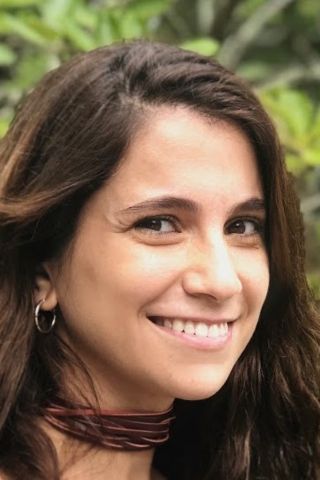
Inclusive learning opportunities are like portals that open into the world where learners are served in a culturally relevant way based on their abilities, needs, and learning styles. As educators, we aim to create an intentional, cooperative, and collaborative teaching community that provides meaningful involvement for each child regardless of ethnicity, culture, religion, gender preference, or socio-economic status. As Dr. Montessori underlined years ago, teachers are not the “magical element” that teaches students subjects but the most important part of their environment that influences them to be better citizens. That’s why, the more we embrace and work on our biases the more peaceful learning environment we prepare.
Imagine yourself supporting your learners to follow their active inner power while polishing yours that you might have forgotten for some reason. What a blessing!
In this video
Inclusion in the classroom, starting with the teachers themselves and the biases each of us carries. Sinem Kurt talks with teachers and guides about welcoming every family, and about validating a child's feelings when a correction is needed. Adapting lessons for special needs and different learning styles follows. The talk ends with ways to build belonging in the classroom, family trees among them.
Chapters
- 0:00 Who are you? Inclusion starts with the adults
- 3:32 Inclusion beyond special needs: welcoming every family
- 7:47 Why teachers need to examine their own biases
- 15:57 Connection before correction: validating a child's feelings
- 19:11 Universal design for learning in a Montessori classroom
- 22:54 Adapting lessons for special needs and learning styles
- 30:54 Peace table, family trees and other ways to build belonging